Anesta Kothari is a designer, engineer, and researcher with a background in architecture and design engineering, exploring how people engage with space, objects, and playful experiences. She holds a Master’s in Design Engineering from Harvard University, where she worked on projects spanning healthcare, educational devices, product engineering, and foundational science. For her thesis, she developed prototypes of a “Smart Toilet Paper,” a low-cost, paper-based device that quantifies elements of the gut microbiome, which was recognized as an Outstanding Design Engineering Project. Her work at Harvard strengthened her skills in interdisciplinary collaboration, rapid prototyping, and translating complex ideas into tangible, approachable systems.
She also holds a Bachelor of Architecture from California College of the Arts (CCA), graduating with high distinction and receiving the Henry Adams School Medal. Her architectural work spans both conceptual and built projects, exhibitions, and installations, earning recognition such as the AIA SF Unbuilt Merit Award. During this time, she also contributed to research for publications like Flux and Expanded Field, which explore large-scale, experiential architectural and design projects.
Her professional experience includes several years in the architecture industry, where she worked on design and construction projects, as well as independent projects such as 27 Steps, an interactive walk-through pavilion for the 2016 Market Street Prototyping Festival. These experiences gave her early exposure to human-scale design, public engagement, and collaborative making.
Currently, as a research engineer at Stanford University (Prakash Lab), Anesta works on a variety of diagnostic projects and frugal health technologies. Her work includes designing and prototyping low-cost molecular diagnostic tools as well as menstrual pads made from alternative materials such as sisal, with an emphasis on local manufacturing and accessibility. She combines CAD modeling, physical prototyping, testing, and iterative design to develop solutions that are both practical and impactful.
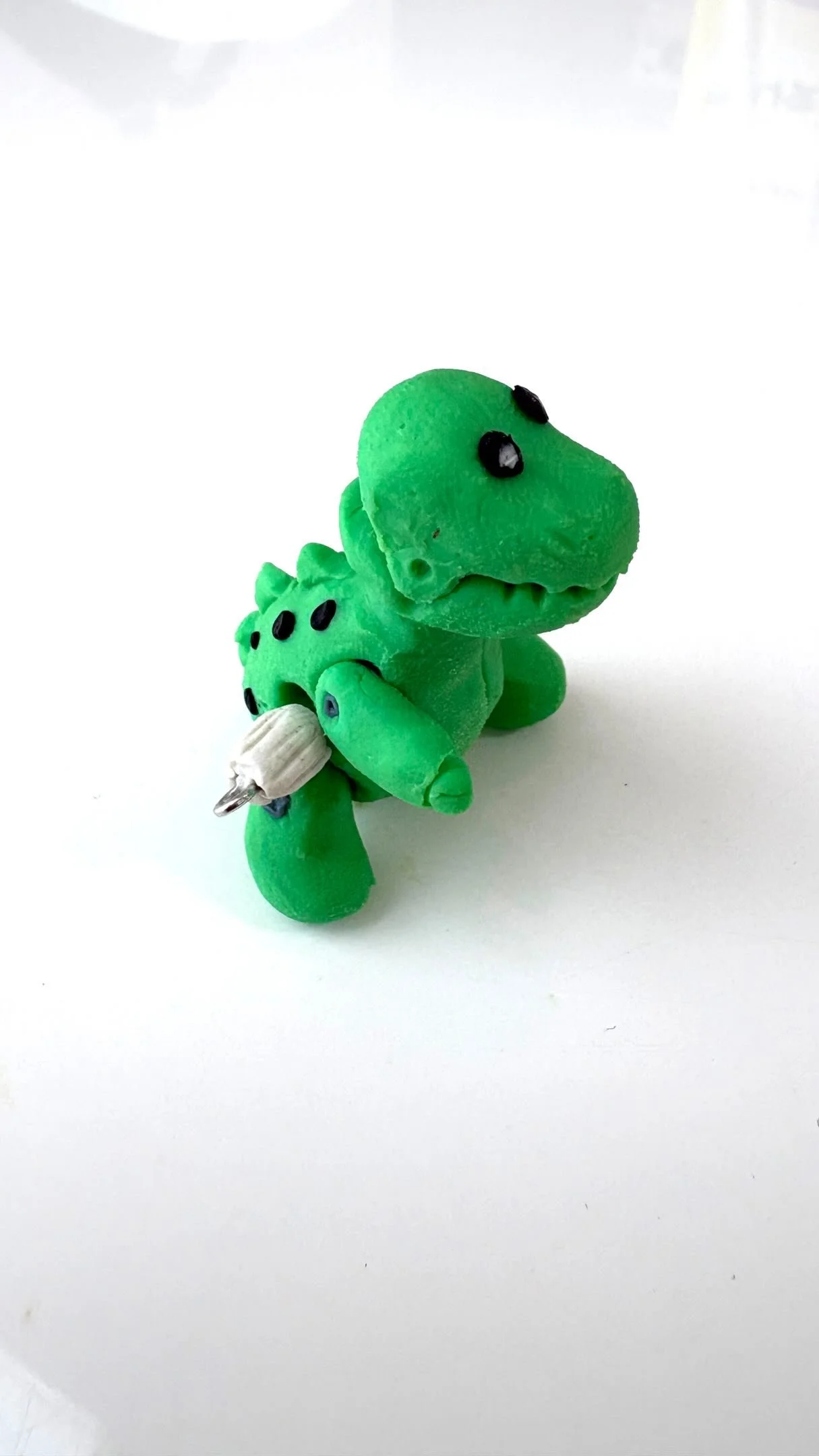
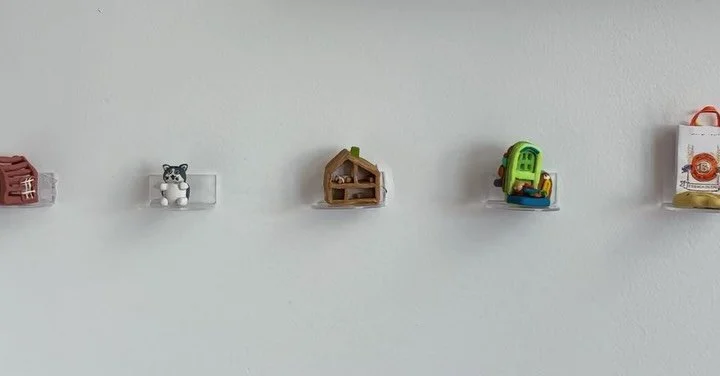
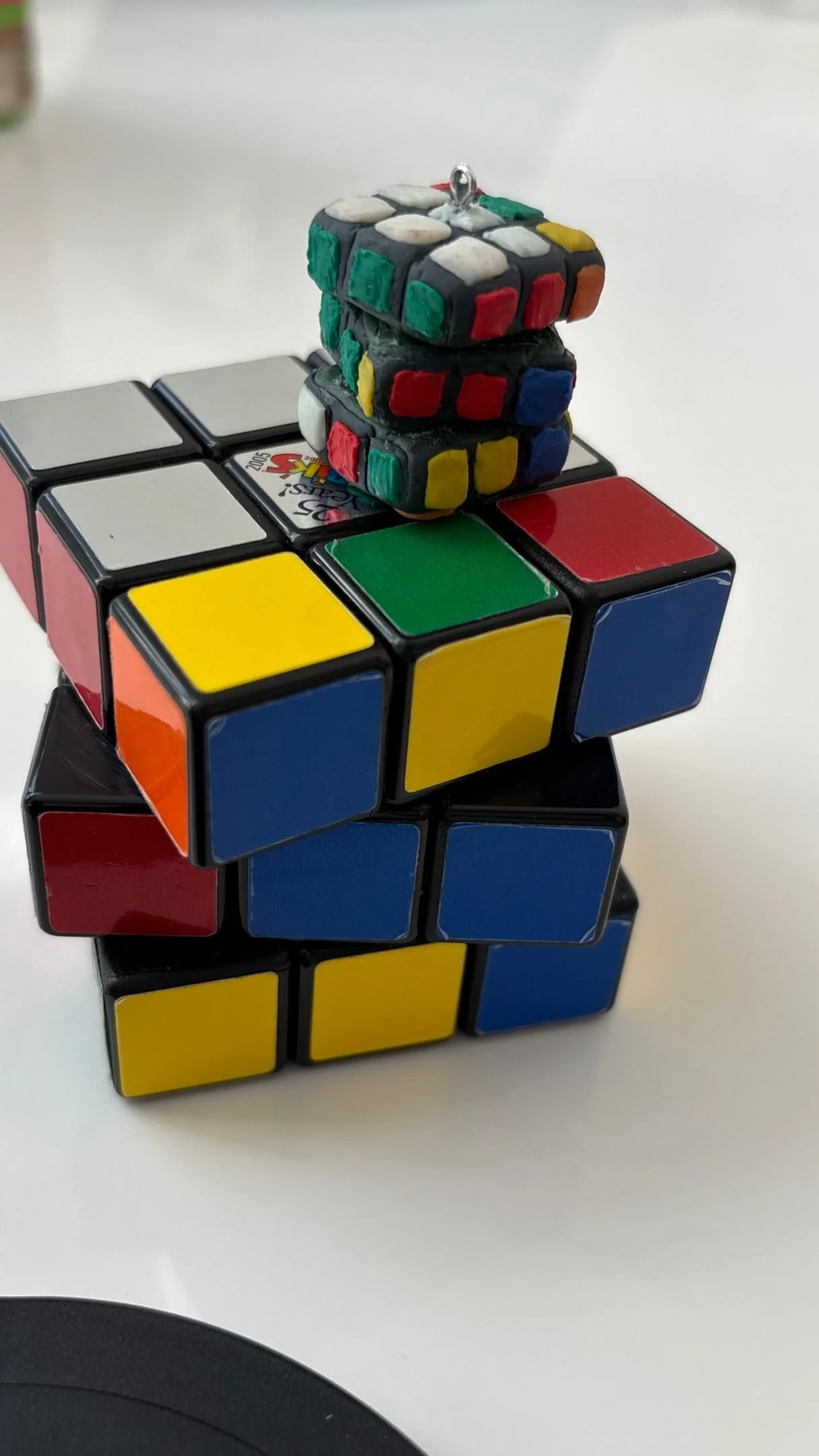
Anesta brings a long-standing passion for playful learning and hands-on experimentation. In her former life, she coached figure skating for over a decade and now explores toy and product design, and enjoys prototyping new ideas in her personal time, blending science, design, and curiosity to create experiences that delight and engage.
CV available upon request.